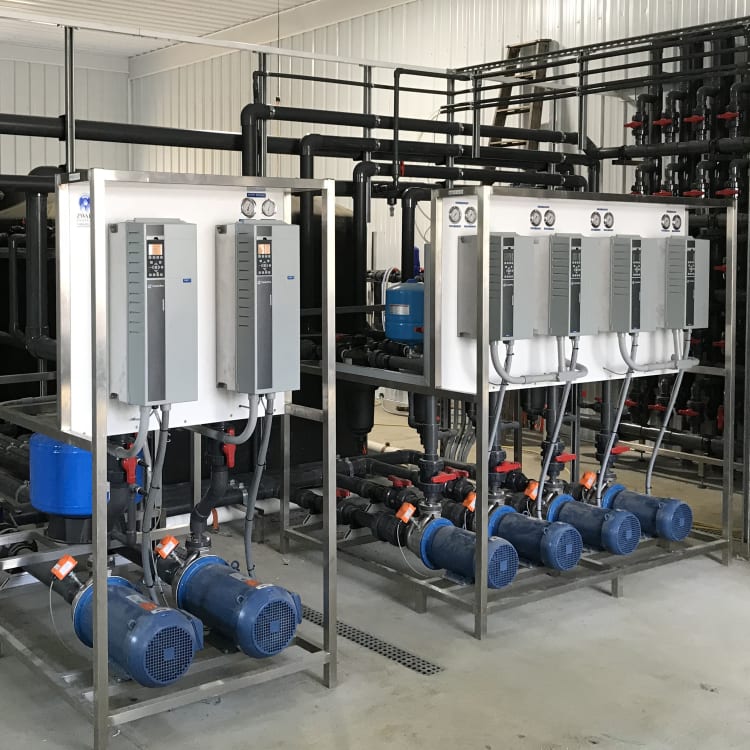
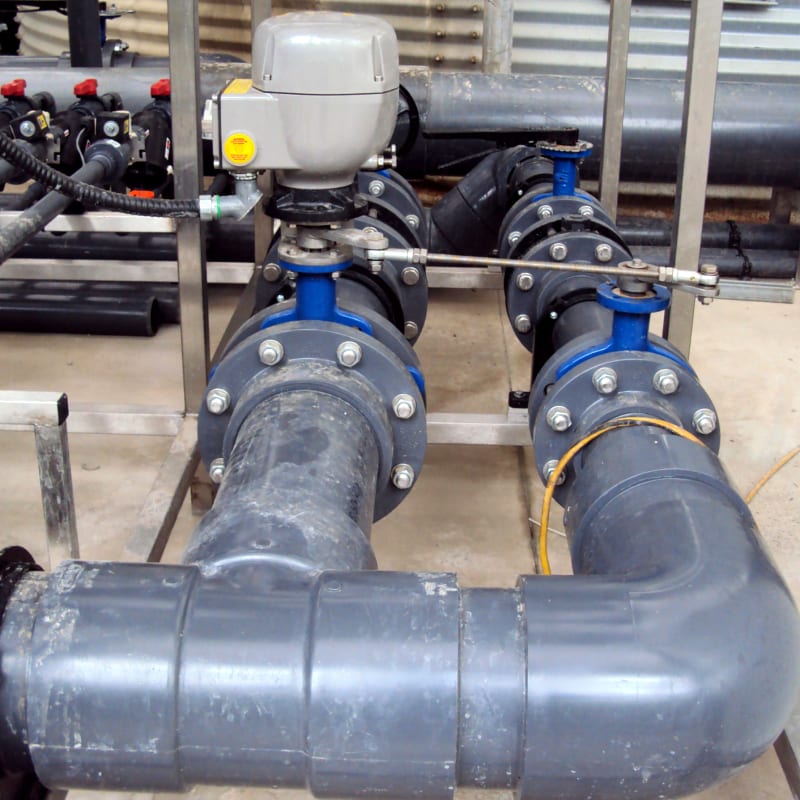
Irrigation Flood Floors
Greenhouse irrigation flood floors are essential tools for modern growers who aim to optimize their irrigation processes, reduce labor, and improve overall crop quality. These systems have evolved significantly over the years, from traditional designs that were developed in the 1980s to the innovative, high-efficiency systems used today. In this expanded exploration, we’ll delve into the history, advancements, and benefits of various types of greenhouse irrigation flood floors, including traditional systems, flow-through designs, and the game-changing cascading flood floors developed by AdeptAg.
Traditional Irrigation Flood Floors
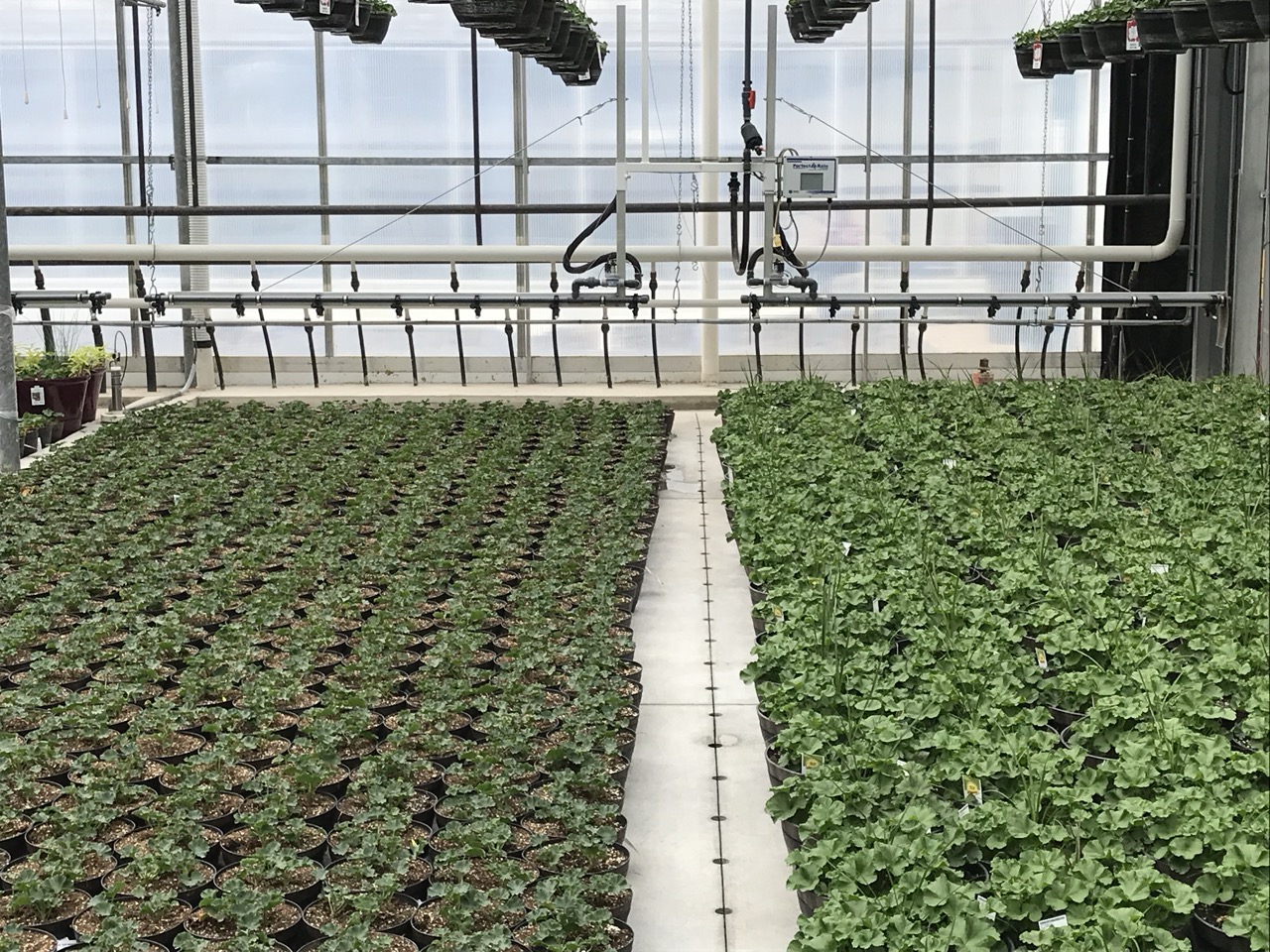
The concept of traditional greenhouse flood floors dates back to the 1980s. These systems were initially designed to provide an efficient way to irrigate large-scale greenhouses, especially for operations handling high volumes of potted plants. Traditional flood floors typically feature a V-shaped concrete design, where water is introduced into the floor system through the center of the bay.
The water flows through spur lines connected to a central filling point, which allows the floor to flood evenly. Once the desired depth of water is reached, the water is drained back through the same pipes and directed into a holding tank, where it can be recirculated for future irrigation cycles.
While these traditional systems were groundbreaking at the time, they came with several drawbacks. One of the most significant issues was the accumulation of debris in the spur lines. Over time, debris such as soil, plant material, and other organic matter could get trapped in the pipes, reducing the efficiency of water flow and making maintenance more labor-intensive. The debris buildup often required regular cleaning and maintenance, which could be both time-consuming and costly.
Additionally, the V-shaped design and central filling point limited the flexibility of the system. Growers had little control over how long the water stayed on the floor, which made it difficult to customize irrigation cycles for different crops or plant sizes. Despite these limitations, traditional flood floors served their purpose for many years, helping growers manage irrigation in large-scale greenhouses with minimal manual labor.
Flow-Through Greenhouse Flood Floors
By the early 2000s, growers began seeking more efficient and flexible irrigation systems, leading to the development of flow-through greenhouse flood floors. These systems were a significant improvement over traditional designs, offering enhanced water distribution, reduced debris buildup, and greater control over the irrigation process.
Unlike traditional flood floors, which introduced water from the center of the bay, flow-through systems allow water to enter the floor from one end—typically the gable end—and flow across the floor to the opposite side. The water exits through spur lines at the far end, which flushes the pipes with each irrigation cycle. This design dramatically reduces the risk of debris accumulation and helps ensure consistent water flow.
Another major advantage of flow-through flood floors is the ability to hold water on the floor for extended periods. Growers can now adjust the amount of time that water remains on the floor, providing more flexibility for crops with different watering needs. For example, larger pots or plants that require longer contact time with water can benefit from extended irrigation periods, while other crops may need shorter cycles.
This level of customization allows growers to fine-tune their irrigation processes to match the specific needs of their crops, leading to improved plant health and more efficient use of water. Flow-through systems also tend to require less maintenance than traditional flood floors, as the flushing action of the water helps keep the spur lines clear of debris.
Cascading Flood Floors: A Revolution in Greenhouse Irrigation
In 2008, AdeptAg (formerly Zwart Systems) introduced a revolutionary new design for greenhouse irrigation flood floors: the cascading flood floor system. This innovation has since transformed the way growers approach irrigation in modern greenhouses, offering a range of benefits that go beyond what traditional and flow-through systems can provide.
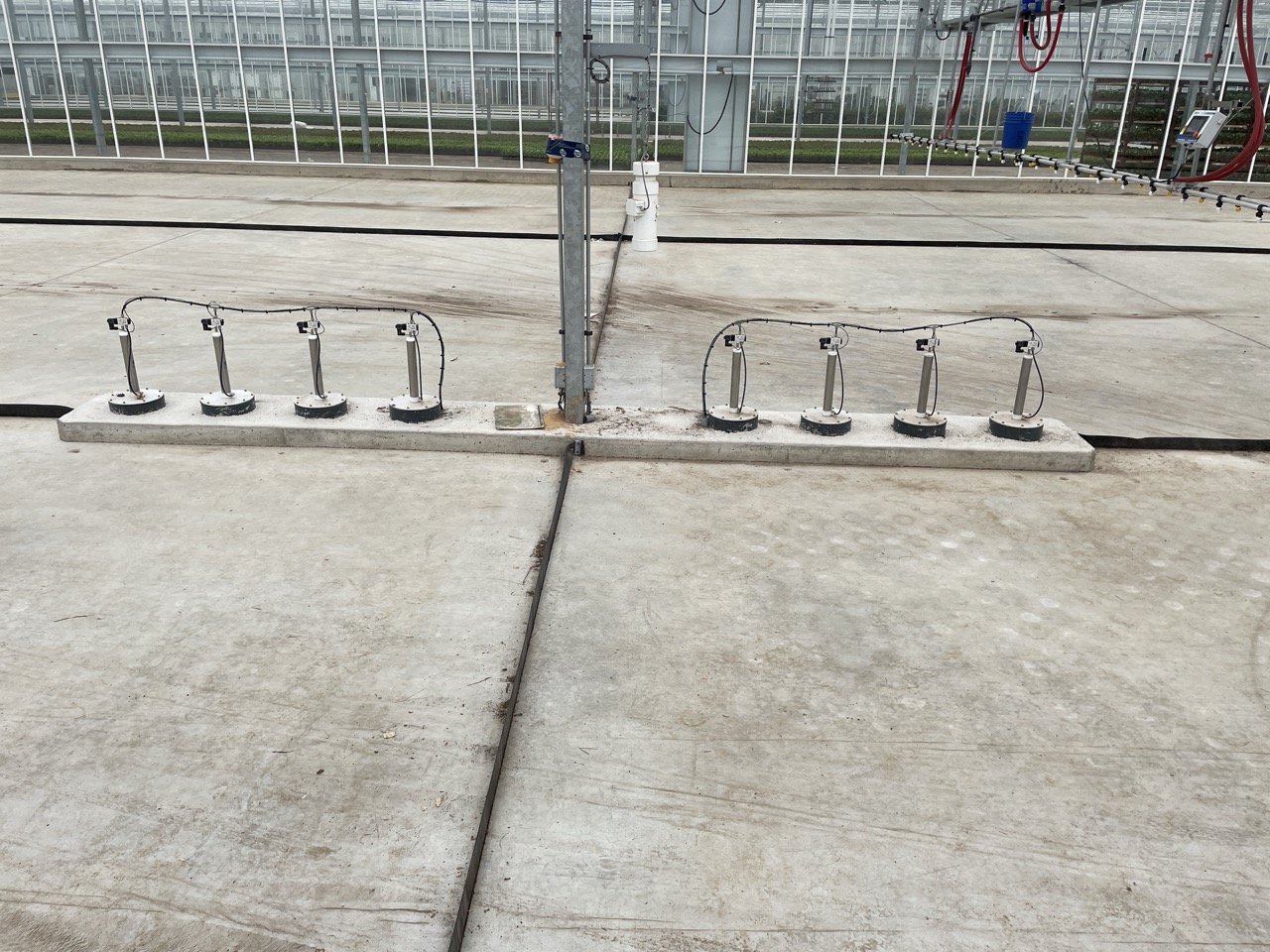
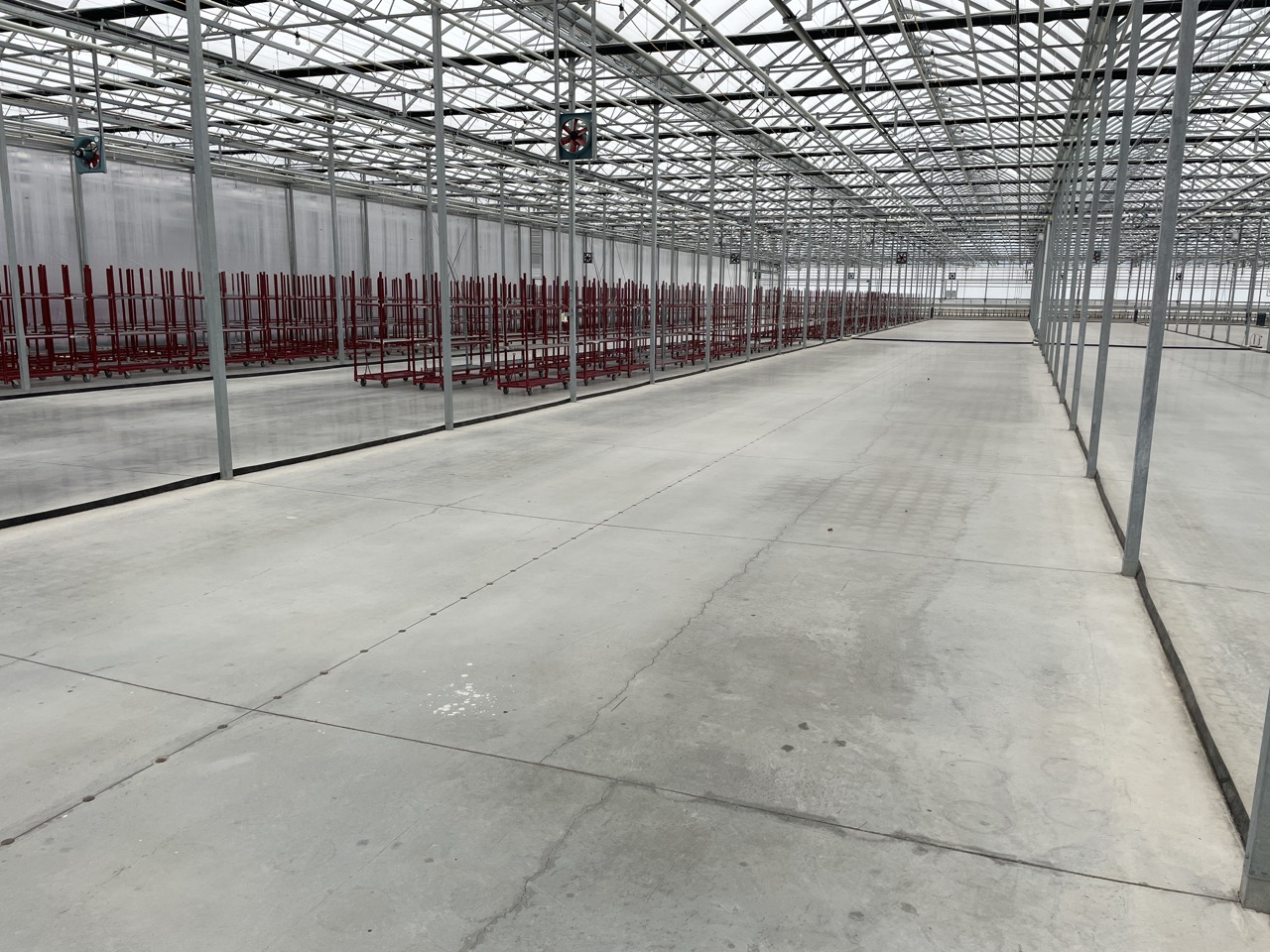
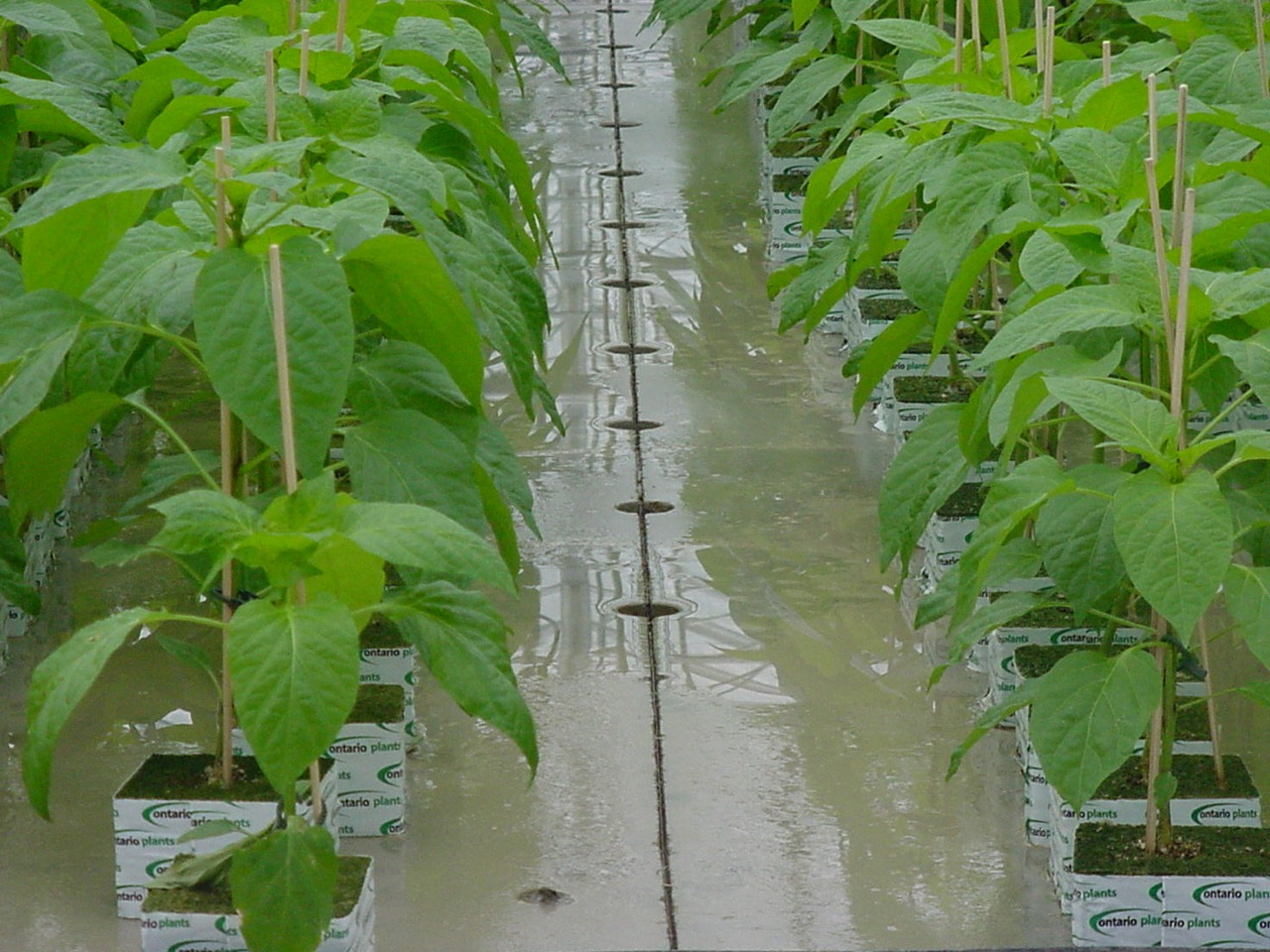
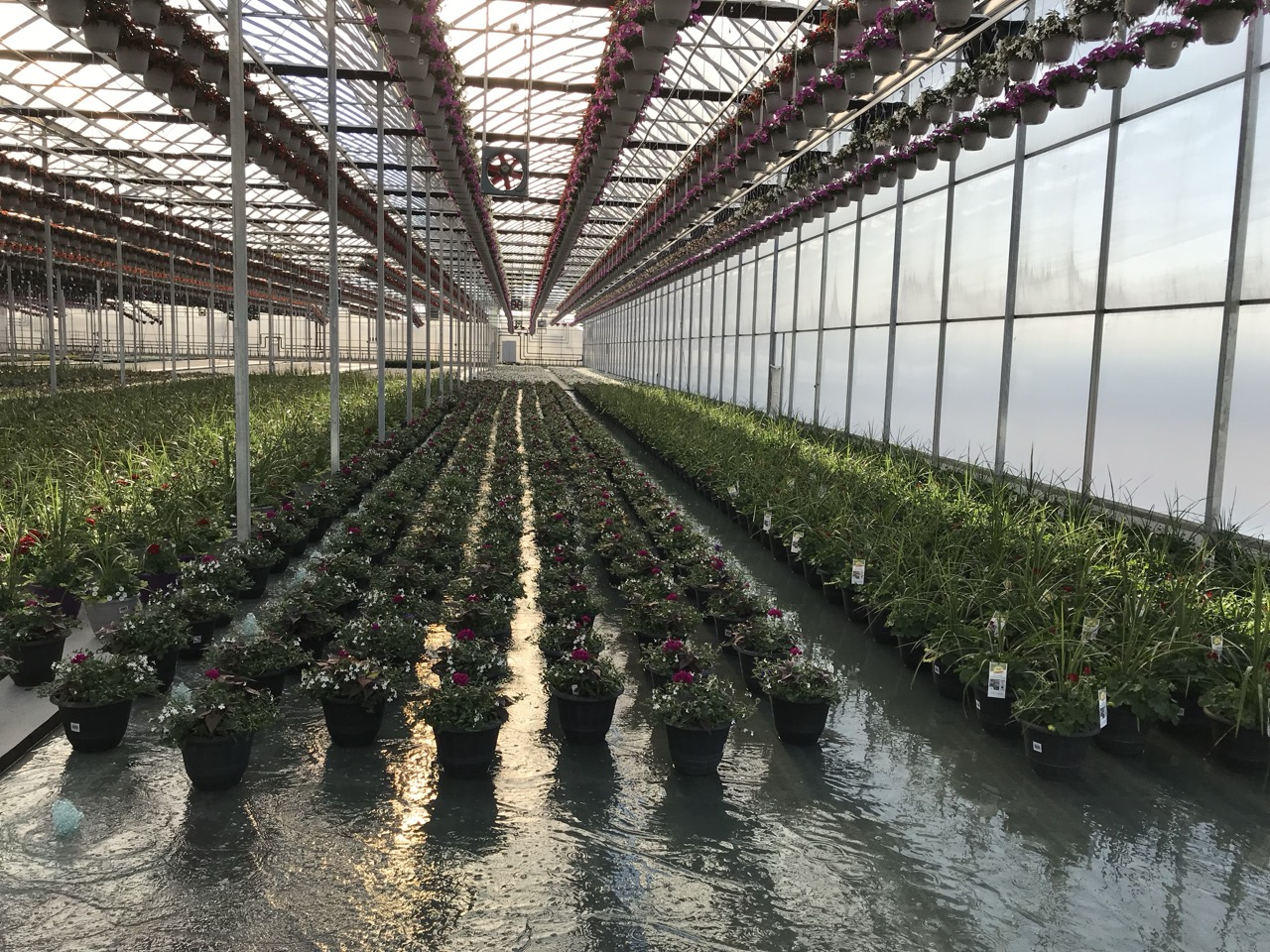
Cascading flood floors are designed with a slight incline, allowing water to flow naturally from a higher point to a lower point across the floor. Instead of introducing water from the center or one end of the bay, cascading systems flood the floor from the high side, letting gravity pull the water down to the lower side. This creates a natural, efficient flow that reduces the need for complex piping systems and improves overall water distribution.
One of the key advantages of cascading irrigation flood floors is the ability to run short, partial watering cycles. Growers can opt for quick, shallow floods to provide just enough water to moisten the root zone without over-saturating the plants. This is especially useful for crops that require more frequent, but lighter, watering.
Alternatively, cascading irrigation flood floors can also accommodate full irrigation cycles, where the entire floor is flooded to a greater depth for longer periods. This versatility makes cascading systems ideal for a wide range of crops, from small seedlings to larger potted plants.
Another significant benefit of cascading flood floors is their self-cleaning design. Since water flows across the entire floor surface during each cycle, debris and organic matter are automatically washed away, reducing the need for manual cleaning and maintenance. This keeps the system running efficiently over time, saving both labor and operational costs.
Perhaps most importantly, cascading systems ensure that the fill lines—where water is introduced to the floor—never come into contact with untreated or dirty water. This reduces the risk of contamination and helps maintain a clean, hygienic growing environment. Clean water is crucial for plant health, as contaminated water can introduce harmful pathogens and reduce overall crop quality.
The Benefits of Modern Greenhouse Irrigation Flood Floors
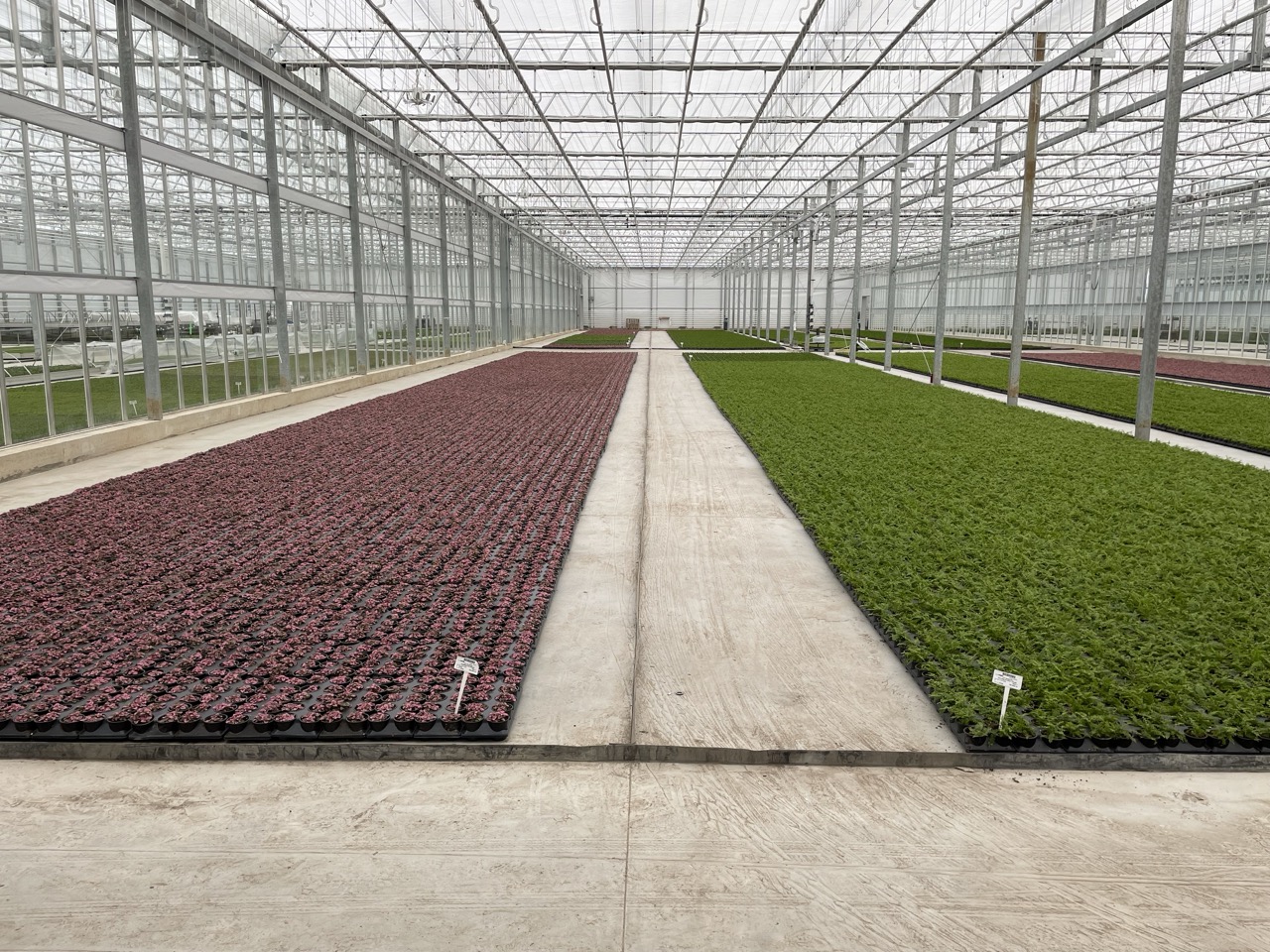
The evolution of greenhouse flood floors from traditional systems to flow-through and cascading designs has provided growers with a wide range of benefits. Today’s flood floors offer greater flexibility, improved efficiency, and reduced maintenance, making them an essential tool for modern greenhouse operations. Key benefits include:
- Efficient Water Use: Irrigation Flood floors allow growers to recirculate water, reducing waste and lowering overall water consumption. This is especially important in regions where water resources are limited.
- Labor Savings: Automated flood floors reduce the need for manual watering, freeing up labor for other tasks. This leads to increased productivity and cost savings over time.
- Consistent Irrigation: Modern irrigation flood floors provide uniform water distribution, ensuring that all plants receive the right amount of water at the right time. This leads to healthier, more uniform crops.
- Reduced Maintenance: Flow-through and cascading systems help prevent debris buildup in pipes and spur lines, reducing the need for frequent cleaning and maintenance.
- Customizable Irrigation Cycles: With the ability to adjust water contact times, growers can tailor their irrigation schedules to the specific needs of their crops, improving overall crop quality and yield.
Additional Irrigation Flood Floors Benefits
- Consistent growing conditions
- Fertilizer and water savings
- Increased labor efficiency
- Uniform heat distribution
- Increased heating efficiency
- Even crop production
- Flexible product movement
- Increased yield
- Clean growing conditions
- Low maintenance
Features
- Rubber strip curbs
- Quick actuation
- Recessed pump pits
- Multiple filtration options
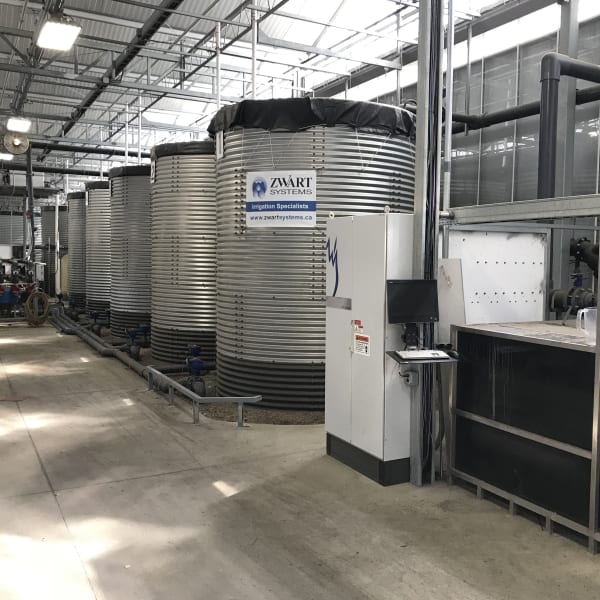
- Effective return water management
- Fully automated